 Accutane Skincare Routine: Tips for Sensitive Skin
Choosing a Gentle Cleanser That Won’t Strip Skin
When your skin feels tender and reactive during Accutane, the cleanser you choose becomes a top priority. It’s tempting to reach for something “deep cleaning,” but harsh formulas can worsen dryness and irritation. Instead, look for a fragrance-free, sulfate-free cleanser with a creamy or milky texture, designed to respect your natural barrier.
A gentle cleanser doesn’t mean ineffective; it can remove oil, sunscreen, and impurities without producing tightness or discomfort. Mild surfactants and calming ingredients like glycerin or ceramides will keep that freshly-washed feeling comfortable.
| Look For | Avoid |
|---|---|
| Creamy, non-foaming textures | Harsh exfoliants or physical scrubs |
| Ceramides & glycerin | Sulfates & added fragrance |
The Importance of Intensely Hydrating Moisturizers
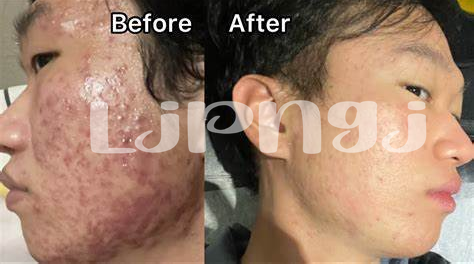
Accutane often leaves skin feeling tight and parched, creating a need for extra support. By choosing a rich, fragrance-free moisturizer, you deliver a surge of hydration that calms irritation and minimizes the risk of cracks or discomfort. Layering hydrating products, such as those enriched with ceramides or hyaluronic acid, rebuilds the skin barrier, allowing it to better retain moisture. Consistent, gentle moisturization makes navigating accutane treatment more comfortable and helps sensitive skin feel soothed, supple, and resilient each day.
Mastering Sun Protection during Your Accutane Journey
Stepping outside while on accutane means your skin is more vulnerable to the sun’s powerful rays. Even brief exposure can lead to quicker burns and irritation, so choosing a broad-spectrum SPF 30 or higher is crucial each morning. Look for gentle, fragrance-free sunscreens specifically made for sensitive skin—these formulas minimize risk of stinging or clogging pores. Be sure to apply sunscreen daily, regardless of the weather, and remember to reapply every two hours when spending extra time outdoors. Wide-brimmed hats and seeking shade provide extra defense. Consistent protection helps prevent pigmentation issues and ensures your healing skin stays calm and comfortable.
Soothing Sensitive Skin with Minimalist Ingredients
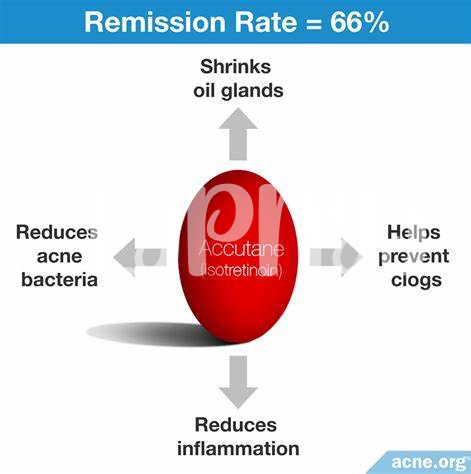
During your Accutane treatment, simplicity is your skin’s best friend. Complex formulas with long ingredient lists can easily overwhelm skin that’s already sensitive, leading to further irritation. Choosing products with minimal, gentle ingredients—think fragrance-free moisturizers or cleansers with only a handful of soothing elements—allows your skin to focus on healing rather than reacting. Calming classics like glycerin, panthenol, and squalane offer hydration and repair without the risk of harsh side effects.
By embracing minimalist skincare, you reduce the risk of breakouts, redness, or stinging sensations that often accompany overly complicated routines. Consider avoiding common potential irritants such as alcohol, essential oils, or strong exfoliants—ingredients that are often unnecessary for skin in recovery. Instead, nurture your complexion with straightforward, dermatologist-recommended formulas designed to support and strengthen during your Accutane journey.
Avoiding Common Skincare Mistakes on Accutane
Many people on accutane believe that “more is better,” but over-exfoliating or using harsh actives can leave skin even more raw. Instead, trust that gentle, consistent care yields the best results. It’s tempting to try new products, but introducing too many changes increases irritation risk. Sticking to a simple routine helps protect your delicate skin barrier. Always check product labels for fragrance, alcohol, or acids that could worsen sensitivity while on accutane.
| What to Avoid | Why |
|---|---|
| Harsh exfoliants | Can cause increased redness and peeling |
| Multiple new products | Raises irritation risk |
Tips for Managing Flaky or Peeling Patches
Waking up to flakes or peeling during Accutane can feel discouraging, but these side effects are completely normal. Avoid picking or scrubbing at rough patches, as this can make irritation worse. Instead, focus on gentle exfoliation using a soft, damp washcloth—never harsh scrubs or acids. Immediately afterward, apply a fragrance-free, thick moisturizer to lock in hydration and soothe the skin. If dry patches persist, consider layering a rich ointment, like petroleum jelly, on top at night to help speed repair.