 Topical Clindamycin for Acne: Efficacy and Best Practices
How Clindamycin Works Against Acne Bacteria
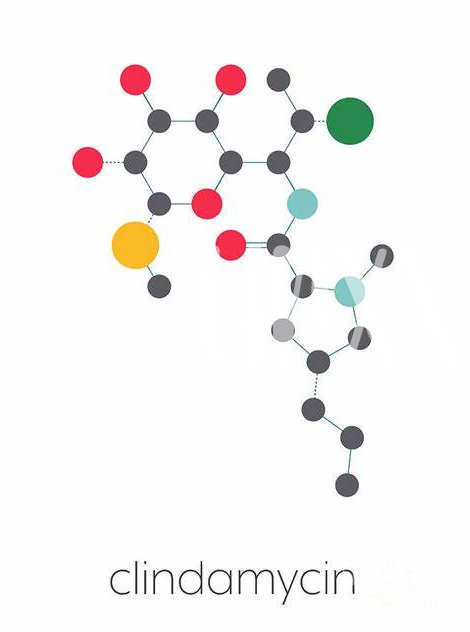
Imagine shrinking a stubborn colony without harsh chemicals — topical clindamycin slips into pores and quiets bacterial activity. It binds the 50S ribosomal subunit, blocking protein synthesis and curbing Cutibacterium acnes growth, which lowers bacterial load and reduces inflammation around clogged follicles, often improving visible lesions.
On the skin it acts quietly: by cutting bacterial protein production, fewer inflammatory peptides are released, so redness and swelling subside as lesions heal. Because its effect is mainly bacteriostatic rather than bactericidal, consistent use is required and pairing with nonantibiotic agents helps prevent resistance.
| Mechanism | Primary Effect |
|---|---|
| 50S ribosomal binding | Inhibits protein synthesis, reduces bacterial growth |
Evidence Snapshot: Clinical Trials and Success Rates
Clinical trials paint a pragmatic picture: topical clindamycin reduces inflammatory lesion counts within weeks. Early studies showed modest improvement versus placebo; later, larger trials reported clearer benefit when formulations improved skin penetration.
Meta-analyses of randomized trials suggest average inflammatory lesion reductions around 40–50% after several weeks, though results vary by design and baseline severity across diverse ages and severities.
Combinations with benzoyl peroxide or topical retinoids outperform clindamycin alone, showing synergy and less resistance; modern protocols often favor these pairings.
Clinicians interpret these data pragmatically: topical clindamycin remains useful, especially for inflammatory lesions, but optimal success depends on adjunctive therapy, patient adherence, and monitoring for diminishing response over time and periodic reassessment to adjust treatment.
Combining Therapies: When Clindamycin Needs Backup
Think of clindamycin as a reliable ally that calms inflamed lesions but sometimes falters against stubborn or widespread acne. In practice dermatologists pair it with benzoyl peroxide to reduce resistance and with topical retinoids to address comedones and normalization of follicular turnover.
For nodulocystic or extensive disease, systemic therapy or isotretinoin may be required beneath topical regimens, while short courses of oral antibiotics are used judiciously to control flares. Tailoring combinations to skin type, severity, and resistance patterns maximizes benefit while minimizing antibiotic exposure and preserving future treatment options safely.
Application Tips: Timing, Frequency, and Best Practices
When I first used clindamycin gel, gentle cleansing twice daily made a noticeable difference; apply to dry skin and wait a minute before layering moisturizer or other topical products.
Stick to prescribed frequency, usually once or twice daily, and use a pea-sized amount. Overuse irritates skin and does not boost results; consistency truly beats quantity for lasting benefit.
Timing matters: apply clindamycin after cleansing and before thicker products. If combined with benzoyl peroxide or retinoids, separate application times or use combined formulations as directed to reduce irritation.
Perform a patch test, monitor for redness or itching, avoid eyes and mucous membranes. Report promptly worsening or no improvement after twelve weeks; follow your clinician’s instructions closely.
Managing Resistance: Avoiding Antibiotic Overuse and Failure
A dermatologist once warned that topical clindamycin can feel like a miracle, yet microbes learn fast. Overuse breeds resistant strains, undermining future options. Thoughtful prescribing limits duration, targets active inflammation, and favors combination regimens rather than solo antibiotic therapy. Educate patients about short courses and follow-up.
Patients should follow exact directions, use adjuncts like benzoyl peroxide to reduce resistance, and report worsening or lack of benefit. If resistance emerges, stepping down antibiotics and switching strategies preserves effectiveness for everyone. Clinicians should monitor cultures when treatment fails to guide choices appropriately.
| Tip | Why |
|---|---|
| Combine with benzoyl peroxide | Reduces resistance |
Side Effects, Safety Concerns and When to Stop
Topical clindamycin commonly causes mild irritation, dryness, or redness during early use; these effects often settle within days as the skin adapts. Persistent burning or widespread inflammation should prompt consultation with the prescribing clinician soon.
Allergic reactions, though uncommon, require urgent attention: hives, facial swelling, breathlessness, or sudden widespread rash demand immediate discontinuation and emergency care. Keep an eye out for severe diarrhea, which may signal Clostridioides difficile infection risk.
Pregnant or breastfeeding individuals should discuss topical antibiotics with their provider; systemic absorption is low but caution warranted. If acne worsens or new painful nodules appear, pause therapy and seek dermatologic reassessment for alternative strategies.
Minor irritation often responds to spacer use or combining with a gentle moisturizer and avoiding harsh cleansers. Maintain communication with your clinician about effectiveness and any concerning signs; rules for stopping improve safety and outcomes.