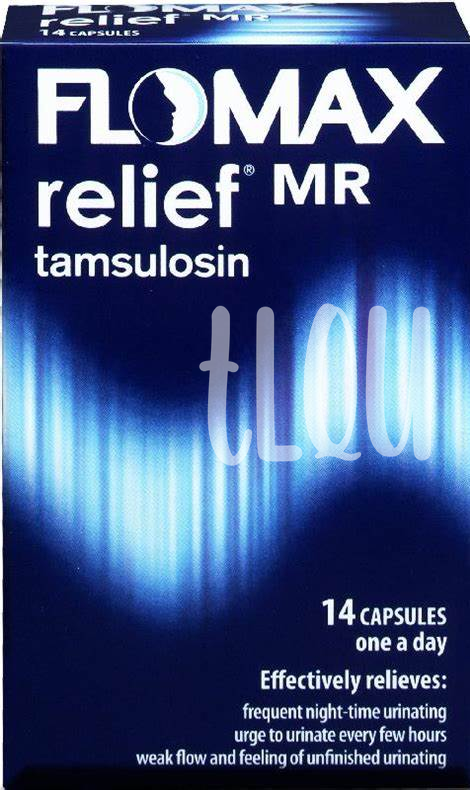
 Flomax and Sexual Function: Myths and Realities
Mechanism of Flomax and Sexual Physiology Interplay
Think of the drug as a locksmith easing a stuck doorway: by blocking alpha one receptors in the prostate and bladder neck, it relaxes smooth muscle and improves urine flow. That same relaxation alters the coordinated contractions that propel semen, so an expected trade off can be changes in ejaculation. The drug's actions are peripheral and receptor specific rather than hormonal, which helps explain why libido is usually unaffected.
Most men experience reversible effects, since nerve signaling and muscle tone recover after stopping the medication, and many studies show low rates of persistent erectile problems. Open communication with clinicians allows dose adjustment, alternative agents, or timing strategies to overall balance urinary benefit and sexual function.
| Target | Effect |
|---|---|
| Prostate/bladder neck | Smooth muscle relaxation; improved urine flow |
| Ejaculatory ducts/vas deferens | Altered emission; decreased antegrade ejaculation |
Common Sexual Side Effects: Incidence and Evidence
Many men notice changes after starting flomax, and researchers have catalogued rates of ejaculatory dysfunction and libido changes. Large trials report retrograde ejaculation in up to 15–30% of users, while smaller studies suggest lower rates; certainty varies with study design and patient selection.
Meta-analyses weighing randomized and observational data reveal inconsistent estimates for erectile dysfunction, often confounded by age and prostate disease. Counseling helps set realistic expectations, and monitoring over months clarifies whether symptoms resolve, persist, or relate to other health factors necessitating alternative therapies or urological referral; timely assessment.
Retrograde Ejaculation Explained: Causes and Recovery Chances
Imagine climaxing and noticing little or no outward ejaculation — a surprising and distressing change. This occurs when medicines such as flomax relax the smooth muscle at the bladder neck and prostate, preventing normal forward flow of semen. Instead, seminal fluid can be diverted into the bladder during orgasm; the sensation of orgasm is preserved despite altered emission.
Most cases stem directly from the drug’s mechanism and are not a sign of permanent damage; stopping or switching medication often restores normal ejaculation within weeks to months. For men concerned about fertility or persistent symptoms, clinicians can consider alternative therapies, dose adjustments, or urological evaluation. Emotional support and open discussion with a provider help guide choices.
Erectile Dysfunction Concerns: Causation Versus Correlation Studies

He hesitated before starting the pill, anxious about stories of sexual trouble. Clinical context matters: benign prostatic hyperplasia therapy aims to relieve urinary symptoms while having variable sexual effects.
Observational reports often link flomax with erectile problems, but that link can reflect age, comorbidities, or concomitant medications. Randomized trials show mixed signals; many lack power or long follow-up.
Biological plausibility exists. Alpha-1 blockade can alter ejaculatory mechanics and occasionally affect penile blood flow, but direct causation for ED remains unproven.
Interpretation requires nuance: temporal association does not equal causation. Discuss concerns with clinicians, consider medication review, and monitor function; many men improve after switching or adjusting therapy. Early reporting helps clinicians tailor safer treatment choices.
Managing Sexual Side Effects: Practical Tips and Options
Many men notice changes after starting flomax, but simple strategies often help restore confidence and intimacy. Start by discussing symptoms with your clinician; dose adjustment, switching drugs, or a drug holiday sometimes reduces sexual effects. Pelvic floor exercises and timed sexual activity can improve control and satisfaction. Open dialogue with partners, gradual experimentation, and realistic expectations turn anxiety into proactive steps that preserve relationships while you explore solutions.
If problems persist, consider referral to a urologist or sexual health specialist for testing and therapy such as PDE5 inhibitors, counseling, or procedural options.
| Option | Notes |
|---|---|
| Timing | Take medication at night; may lessen daytime sexual impact |
| Switch | Discuss alternative alpha blockers or tadalafil trial with clinician |
| Support | Pelvic floor exercises, sex therapy, partner counseling and patience |
| Referral | Urologist for testing; consider specialist procedures or further workup |
| Medication | PDE5 inhibitors or topical options |
When to Seek Help: Communication and Treatment Alternatives
Noticing ongoing changes in libido, erection, or ejaculation can feel isolating. If symptoms persist for several weeks or affect intimacy, schedule a clinic visit promptly and describe timing, medication dose, and impact on daily life. Honest, specific details help clinicians pinpoint causes and tailor options.
Treatment alternatives range from adjusting dosage, switching drugs, or adding therapies such as PDE5 inhibitors, to referral for counseling or urology review. Partners’ involvement often eases stress and improves outcomes; ask about risks, recovery expectations, and timelines so you can make an informed, shared decision.