 Mobic Dosage Guide: Typical Doses and Adjustments
How Meloxicam Works and Why Dose Matters
Pain can interrupt daily rhythms, and meloxicam often steps in to quiet inflammation so people can move with less stiffness. Understanding how it inhibits prostaglandin production helps explain why the correct dose balances relief with safety. Dose influences both speed and durability of benefit.
Meloxicam selectively targets COX-2 more than COX-1, reducing pain-causing mediators while attempting to spare gastric protection. A lower dose may relieve mild symptoms with fewer adverse effects, whereas higher doses can be needed for stronger inflammation but increase risk. Clinicians tailor dosing to condition, pain intensity, and individual risk factors.
Small dose adjustments can prevent complications; older age, kidney disease, and other drugs often prompt lower starting doses. Monitoring is essential.
| Effect | Implication |
|---|---|
| Pain relief | Dose-dependent |
Typical Adult Dosing: Standard Ranges Explained
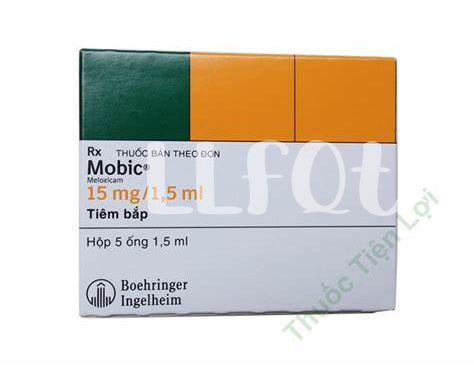
Most adults start mobic at a low daily dose to control pain while minimizing risk; common regimens are 7.5 mg once daily, with some patients needing 15 mg for greater relief.
Clinicians weigh factors like age, comorbidities, and concurrent medicines when choosing dose; adjustments may be temporary for flares or permanent for chronic therapy. Patients should follow prescriptions, report side effects, and never exceed recommended dosing without medical advice to keep benefits high and harms low, including gastrointestinal, cardiovascular, or renal concerns that require monitoring; regular lab checks may help.
Adjusting Dose for Older Adults and Frailty
As patients age, bodies change and medications demand gentler handling. Physicians often start mobic at lower doses to balance pain control with safety.
Frailty, weight loss, and multiple illnesses increase sensitivity to side effects like bleeding and kidney strain. Regular review of benefit versus risk is essential.
Renal function, liver tests, and concurrent drugs guide upward or downward adjustments; sometimes alternate-day dosing or the lowest effective dose is chosen.
Shared decision-making and close follow-up help catch problems early, allowing dose reduction or cessation when harms outweigh benefits. Helps improve outcomes.
Dosing Considerations with Kidney or Liver Impairment

When kidneys or liver are weakened, mobic can accumulate and increase risk of adverse effects. Start low: clinicians often halve typical doses and avoid routine high dosing. Regular blood tests for creatinine and liver enzymes help catch toxicity early.
Severe renal failure or decompensated cirrhosis usually contraindicates NSAIDs; alternative analgesics or nonpharmacologic therapies should be prioritized. Dose adjustments depend on eGFR and Child‑Pugh class, so personalize choices.
Monitor blood pressure, fluid status, and concurrent medications—especially diuretics or ACE inhibitors—to minimize harm; consult specialists for complex cases and reassess dosing monthly.
Managing Side Effects and When to Reduce Dose
Imagine starting mobic for aching knees and noticing a stomach upset: many tolerate low doses, but nausea, heartburn, dizziness, elevated blood pressure or dark stools can signal trouble. Early side effects are often transient, yet persistent abdominal pain, signs of bleeding, breathlessness or swelling require prompt medical review. Keep a log of symptoms, timing and other meds to help your clinician judge whether symptoms are drug‑related or from other causes.
When dose reduction is appropriate, clinicians usually aim for the lowest effective dose and duration. Consider halving the dose or stopping if gastrointestinal symptoms persist beyond days, renal function worsens, blood pressure rises, or there are signs of heart strain. Older frail adults and people on anticoagulants or diuretics may need immediate adjustment. Always discuss changes with your prescriber, monitor labs, and reassess benefits versus risks within a few weeks.
| Sign | Recommended action |
|---|---|
| Persistent GI pain or dark stools | Stop mobic, seek urgent medical review |
| Rising creatinine or reduced urine | Reduce dose or stop; check renal function |
| New swelling or breathlessness | Hold drug; evaluate for heart issues |
Interactions, Contraindications, and Practical Safety Tips
Before starting meloxicam, imagine bringing a new person into a household: lives intersect and risks change. Always list every prescription, OTC drug, and supplement to your clinician.
Some agents raise bleeding or kidney risk; anticoagulants, SSRIs, ACE inhibitors, diuretics, lithium, and methotrexate merit particular attention. Avoid combining with other NSAIDs or high-dose aspirin.
Do not use meloxicam if you have a known NSAID allergy, a history of aspirin‑induced asthma, active gastrointestinal bleeding or recent coronary artery bypass grafting, and late pregnancy. Discuss heart, liver, and kidney disease before use.
Practical steps: use the lowest effective dose, take with food, avoid alcohol, monitor blood pressure and kidney tests, and report severe abdominal pain or black stools.