 Ozempic Vs Wegovy Differences and Similarities
How Ozempic and Wegovy Work Differently
Imagine two siblings built from the same molecule but tuned for different jobs. Both activate the GLP-1 receptor to boost insulin and slow gastric emptying, yet Ozempic focuses on glycemic control while Wegovy aims for intensive weight reduction.
Both are weekly injections but differ by approved dose ranges and titration schedules; Wegovy reaches higher doses to amplify appetite suppression and central satiety effects, while Ozempic doses target blood glucose first.
Clinical outcomes reflect that: Wegovy typically produces greater weight loss, Ozempic delivers robust HbA1c reduction; safety and side effects overlap overall.
Labelled Uses, Dosing, and Clinical Indication Differences
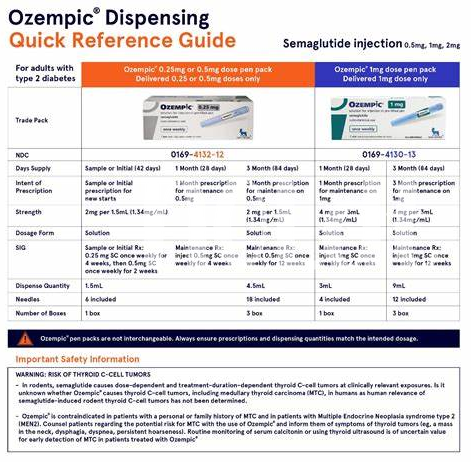
Clinicians often call the two drugs cousins: both contain semaglutide but follow different paths. ozempic is prescribed to improve blood-sugar control in adults with type 2 diabetes, starting low and escalating weekly over several months.
Wegovy’s label targets chronic weight management: adults with obesity or overweight plus a weight-related condition. Therapy requires stepwise titration to a 2.4 mg weekly maintenance dose, emphasizing sustained lifestyle intervention alongside medication for long-term benefit.
Efficacy goals differ: ozempic’s regulatory focus is glucose lowering and cardiovascular risk reduction in eligible patients, while the higher-dose option for weight aims mainly at sustained weight loss; metabolic improvements follow but are secondary endpoints.
Prescribers decide based on goals, comorbidities, and tolerability: diabetes specialists may favor lower-dose weekly regimens like ozempic for glycemic control, while obesity-focused care teams use the 2.4 mg pathway and structured weight-management programs with monitoring.
Comparing Weight-loss Results and Glycemic Control
Patients describe early weeks as revelatory: appetite suppression begins and steady weight drops follow, while ozempic users see glycemic improvements quickly.
Large randomized trials show higher semaglutide doses labeled for weight loss produce greater mean percent weight reductions than the lower diabetes doses frequently prescribed.
Glycemic control improves with both medications: ozempic lowers A1c and fasting glucose, while weight loss itself enhances insulin sensitivity and cardiovascular markers.
Ultimately, individual outcomes hinge on dose, adherence, titration speed, and supportive lifestyle measures, so clinicians personalize choices to align metabolic and weight goals.
Side Effects, Safety Profiles, and Long-term Risks

A patient’s first weeks often feel surprising: nausea and mild digestive shifts are common with GLP-1 therapy, and ozempic users frequently report early transient discomfort.
Less common but serious issues—pancreatitis, gallbladder events, and rare thyroid C-cell tumors in rodents—require attention; clinicians monitor symptoms and advise prompt evaluation if severe pain or jaundice develops without delay.
Long-term data is growing; cardiovascular benefits appear with GLP-1 agonists, but metabolic bone effects and sustained tolerance need further study, especially for patients on prolonged high-dose regimens and careful follow-up.
Shared adverse effects often ease with dose titration; counseling, slow dose increases, hydration advice, and collaboration between primary care and specialists reduce discontinuation and improve long-term tolerability for many patients.
Cost, Insurance Coverage, and Access Barriers
A patient recounts the sticker shock at pharmacy counters when learning about ozempic and its branded peers. Out-of-pocket costs often shape treatment decisions before clinical factors do.
Insurance plans vary: some cover diabetes labeling but not higher-dose formulations for weight management, while prior authorizations and step therapy create delays.
Manufacturer coupons and patient assistance programs can reduce bills, yet eligibility rules and prescription limits mean many still face barriers to consistent therapy.
Clinicians should discuss affordability early, exploring alternative dosing, generics, or support resources so treatment plans remain both effective and attainable for each person.
| Drug | Typical monthly cash price |
| ozempic | $40–$1200 depending on plan and dose |
| Assistance programs reduce bills but have limits sometimes | |
Choosing between Them: Practical Patient Considerations
Imagine sitting with your clinician, comparing two familiar tools: one primarily aimed at blood sugar with weight loss as a bonus, the other designed for heavier weight reduction. Your priorities—tight glucose control, reaching a specific BMI, or minimizing nausea—shape the choice, as do pregnancy plans and existing conditions like pancreatitis or thyroid cancer risk.
Practicalities matter: dosing schedules, injection device comfort, required dose escalation, and monitoring frequency affect daily life. Insurance approval and out-of-pocket cost often determine feasibility; prior authorizations, step therapy, or patient assistance programs can steer patients toward one option.
Shared decision-making is key: weigh efficacy data, side-effect profiles, long-term safety unknowns, and personal preferences. If uncertain, trialing under medical supervision with clear targets and follow-up lets patients switch or stop therapy without losing momentum. Discuss cost, injection training, and realistic timelines for achievable weight or A1c goals.