 Robaxin for Athletes: Recovery and Performance Effects
How Muscle Relaxants Work after Athletic Strain
After a tough session, the body protests with spasms. Muscle relaxants act on the central nervous system to reduce motor neuron excitability, lowering involuntary contractions and easing spasm pain.
Athletes often get faster symptomatic relief because relaxants dampen reflex arcs and lower muscle tone instead of repairing tissue. That comfort can aid movement but doesn't speed biological healing of strained fibers.
Clinically, many agents modulate neurotransmitter pathways or boost inhibitory signaling, causing sedation and reduced muscle responsiveness. Choice matters: short-acting drugs limit daytime drowsiness; longer ones better address nocturnal spasms.
Used judiciously, relaxants support rehabilitation by enabling participation in gentle mobility work and therapy; misused, they mask deficits, impair coordination, and risk delaying appropriate recovery.
| Effect | Onset |
|---|---|
| Spasm reduction | Hours |
Impact on Recovery Speed Versus Functional Performance
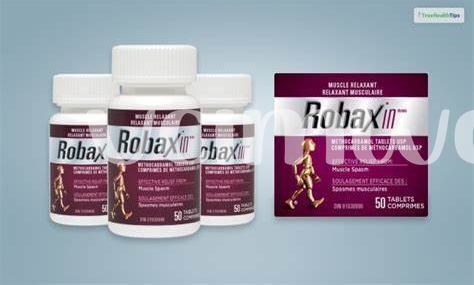
After a grueling workout, athletes often reach for quick fixes to quiet spasms and push through training; robaxin can blunt muscle tightness and create a perception of faster recovery. Yet easing pain does not equal restoring strength, coordination, or tissue healing. Short-term comfort may mask deficits that impair technical performance and increase re-injury risk.
Clinically, muscle relaxants reduce neuronal activity to dampen reflexive contraction, which can speed symptom resolution but not accelerate tissue repair. Studies suggest function—power, agility, proprioception—may lag behind perceived improvement, altering movement patterns and endurance.
Smart use balances symptom control with rehab: brief courses, monitoring, and focusing on progressive loading, manual therapy, and sleep optimize true recovery and safe return-to-play to competition.
Short-term Pain Relief: Benefits and Hidden Drawbacks
After a hard workout, a quick dose can feel like a reset: robaxin often eases muscle spasm and gives athletes an immediate window of comfort to rest or sleep. That short-term relief lets trainers apply targeted therapies without the constant alarm of intense pain.
But beneath the relief there are costs: numbness to warning signals, impaired coordination, and medication-driven overuse that can push tissue beyond safe limits. Sedation and dizziness from muscle relaxants may also blunt performance and increase injury risk during high-speed or precision tasks.
Used sparingly and alongside rehab, robaxin can be a useful bridge; however, athletes should view it as a short-term tool, not a fix, because masking pain can delay proper diagnosis and return-to-play decisions. Discussing risks with medical staff ensures relief supports recovery rather than undermines it. Short courses minimize dependence and functional compromise effects.
Safety Profile and Side Effects for Athletes
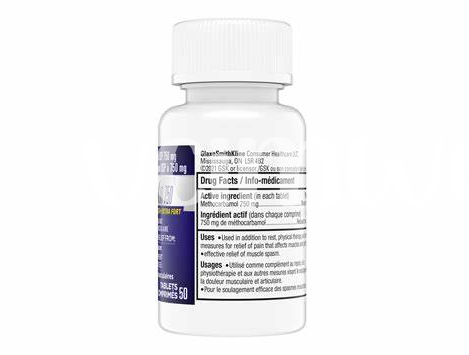
After an intense workout many athletes reach for drugs like robaxin to quiet spasms, but the trade-offs matter. Methocarbamol commonly causes drowsiness, dizziness and coordination loss, which can blunt reaction time and raise injury risk. Gastrointestinal upset and rare allergic responses also occur.
Athletes should monitor performance and avoid alcohol or sedatives that amplify central nervous system depression. Preexisting liver disease, pregnancy, or concurrent opioids need medical review. Use is limited to short courses under a provider’s guidance so recovery benefits aren’t eclipsed by impaired skill or delayed injury diagnosis.
Drug Interactions, Doping Rules, and Competition Implications
Team doctors often weigh drug profiles, and athletes should too. Robaxin can ease spasm-related tightness but may interact with sedatives or alcohol, amplifying drowsiness and impairing coordination. That raises tactical concerns when balance and reaction time matter in training or pre-game routines.
Medication combos may also mask pain that signals deeper injury; relying on symptom suppression can delay proper diagnosis. Transparency with medical staff and clear documentation helps avoid inadvertent protocol breaches and keeps return-to-play decisions evidence-based rather than convenience-driven.
Competitive rules vary: many agencies restrict substances that impair performance or safety, so athletes must check banned lists before using muscle relaxants. Prepare a plan with certified clinicians, keep prescriptions accessible, and prioritize conservative rehab strategies that minimize pharmacological dependence while safeguarding both health and eligibility. When in doubt, err on the side of medical oversight and documented consent.
| Substance | Suggested action |
|---|---|
| Alcohol | Avoid; increased sedation |
| Sedatives / opioids | Consult physician; avoid concurrent use |
Practical Guidance on Alternatives, Dosing, and Return-to-play
After an acute strain many athletes rely on nonpharmacologic care: rest, ice, compression, elevation, targeted physical therapy and graded loading. Topical analgesics, acetaminophen or brief NSAID courses can ease pain without sedation; discuss choices with a clinician in light of performance goals and side-effect tolerance.
When medications are considered, follow a prescriber’s directions: lowest effective dose for the shortest period, avoid adding other sedatives, and watch for drowsiness or coordination loss. Never self-escalate dosing; record treatments for team medical staff and anti-doping transparency and compliance.
Return-to-play should be staged: pain-free range of motion, restored strength and endurance, progressive sport-specific drills without symptom recurrence, and clinician clearance. Prioritize objective measures; conservative progression reduces reinjury risk overall.