 “health Risks Associated with Long-term Zantac Use”
Understanding Zantac: What Is It and How It Works
Zantac, also known by its generic name ranitidine, is a medication primarily used to reduce stomach acid and alleviate conditions such as heartburn and ulcers. It works by blocking histamine H2 receptors in the stomach lining, which in turn decreases the production of stomach acid. This action helps treat and prevent acid-related conditions and promotes healing of the gastrointestinal tract.
The drug gained popularity for its effectiveness and rapid-action relief. However, its long-term use has recently come under scrutiny due to severe health concerns.
| Function | Description |
|---|---|
| Blocks Histamine H2 Receptors | Reduces stomach acid production |
| Treats Acid-related Conditions | Alleviates heartburn, ulcers, and promotes healing |
Fda Warnings and Recalls: a Brief History
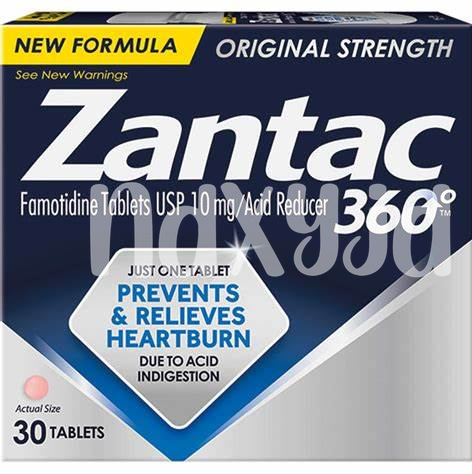
In recent years, there has been significant scrutiny over the popular heartburn medication Zantac. The story began in 2019 when the U.S. Food and Drug Administration (FDA) issued a public warning highlighting potential health risks associated with the drug. This action was rooted in findings of N-nitrosodimethylamine (NDMA) contamination, a probable human carcinogen. Following this, numerous recalls were initiated across various manufacturers to prevent further consumer exposure.
The FDA's warnings and recalls set off a chain reaction, leading to increased awareness and rigorous investigations into Zantac's safety profile. While the initial alerts generated public concern, they also paved the way for more stringent regulatory practices and reforms. The heightened scrutiny eventually culminated in the voluntary withdrawal of all ranitidine products from the market in April 2020, emphasizing the crucial role of vigilance in pharmaceutical safety.
The Chemical Culprit: Ndma Contamination in Zantac
The primary concern with Zantac emerged when it was discovered to be contaminated with N-Nitrosodimethylamine (NDMA), a potent carcinogen. NDMA is not an inherent ingredient of Zantac but forms as a byproduct under certain conditions, such as when the drug is stored for prolonged periods or exposed to high temperatures. This revelation prompted a series of investigations and recalls by health authorities worldwide.
NDMA, although found in various foods and water in trace amounts, posed significant health risks when ingested at high levels over time. The persistent presence of this chemical impurity in Zantac significantly raised the risk of developing serious health conditions, including various types of cancer.
Common Health Risks Linked to Zantac Use
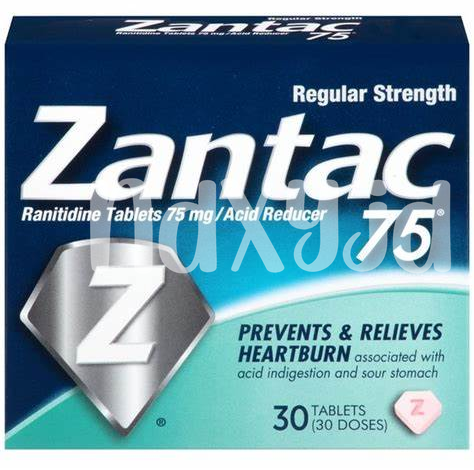
Long-term use of Zantac has raised significant health concerns, primarily due to the presence of N-Nitrosodimethylamine (NDMA), a probable human carcinogen. Users have reported an increased incidence of various cancers, including stomach, liver, and colorectal cancers, as well as an array of gastrointestinal issues. The liver, a crucial organ in metabolizing drugs, is particularly susceptible, potentially leading to severe complications such as liver failure.
Aside from cancer risks, prolonged Zantac use has been associated with other significant health issues. Chronic kidney disease and acute kidney injuries are noted concerns, potentially resulting from sustained exposure to NDMA. Additionally, neurological problems like memory loss, confusion, and tremors have been observed, likely linked to the drug’s impact on the central nervous system.
Respiratory complications are another area of concern. Long-term Zantac users may experience an increased susceptibility to pneumonia and other lung infections. The drug's interaction with gut bacteria could weaken the immune system, making the body more prone to infections. As research continues to unfold, it becomes increasingly important for users to discuss these potential risks with their healthcare providers and consider alternative treatments.
Long-term Effects: What the Research Reveals
Research indicates prolonged use of Zantac may lead to significant health risks. Various studies have linked extended consumption to an increased risk of developing certain cancers, including gastric, esophageal, and bladder cancer. The presence of NDMA, a known carcinogen, is a major contributing factor. Furthermore, chronic use can exacerbate liver and kidney damage, impacting overall health adversely.
Investigations also suggest potential cardiovascular issues, as NDMA can cause vascular endothelial damage impairing blood vessel function. In addition, long-term Zantac use is associated with nervous system disorders, including an increased risk of memory problems and anxiety.
| Health Risk | Impact |
|---|---|
| Cancer | Increased risk of gastric, esophageal, and bladder cancer |
| Liver and Kidney Damage | Exacerbated by chronic use |
| Cardiovascular Issues | Potential vascular endothelial damage |
| Nervous System Disorders | Increased risk of memory problems and anxiety |
Overall, the long-term consumption of Zantac poses multiple health hazards, making it crucial for users to explore safer alternatives and consult healthcare providers regularly.
Safe Alternatives and Preventative Measures for Users
When considering alternatives to Zantac, one effective option is switching to other H2 blockers such as famotidine (Pepcid) or cimetidine (Tagamet). Both medications have a similar mechanism of action but have not been linked to NDMA contamination. Furthermore, proton pump inhibitors (PPIs) like omeprazole (Prilosec) and esomeprazole (Nexium) can offer another safe alternative for reducing stomach acid.
In addition to choosing alternative medications, adopting lifestyle changes can also serve as a preventive measure. Reducing alcohol intake, avoiding spicy foods, and maintaining a healthy weight can significantly reduce acid reflux symptoms without medication. Regularly consulting with healthcare providers to review and manage symptoms ensures optimal health outcomes.
Lastly, for those cautious about medication use, natural remedies such as ginger, chamomile tea, and aloe vera have shown promise in alleviating mild symptoms of acid reflux. Keeping a detailed symptom diary may help identify and avoid specific dietary triggers. By exploring these various options and consulting with medical professionals, individuals can effectively manage their condition while minimizing risks.